
Early-stage startup financings have long reflected a tension between transactional efficiency and legal precision. Instruments such as convertible notes and SAFEs were developed to reduce cost and execution time at the seed stage, but they do so by deferring, and often obscuring, important questions of corporate law, investor rights and tax treatment. A new financing
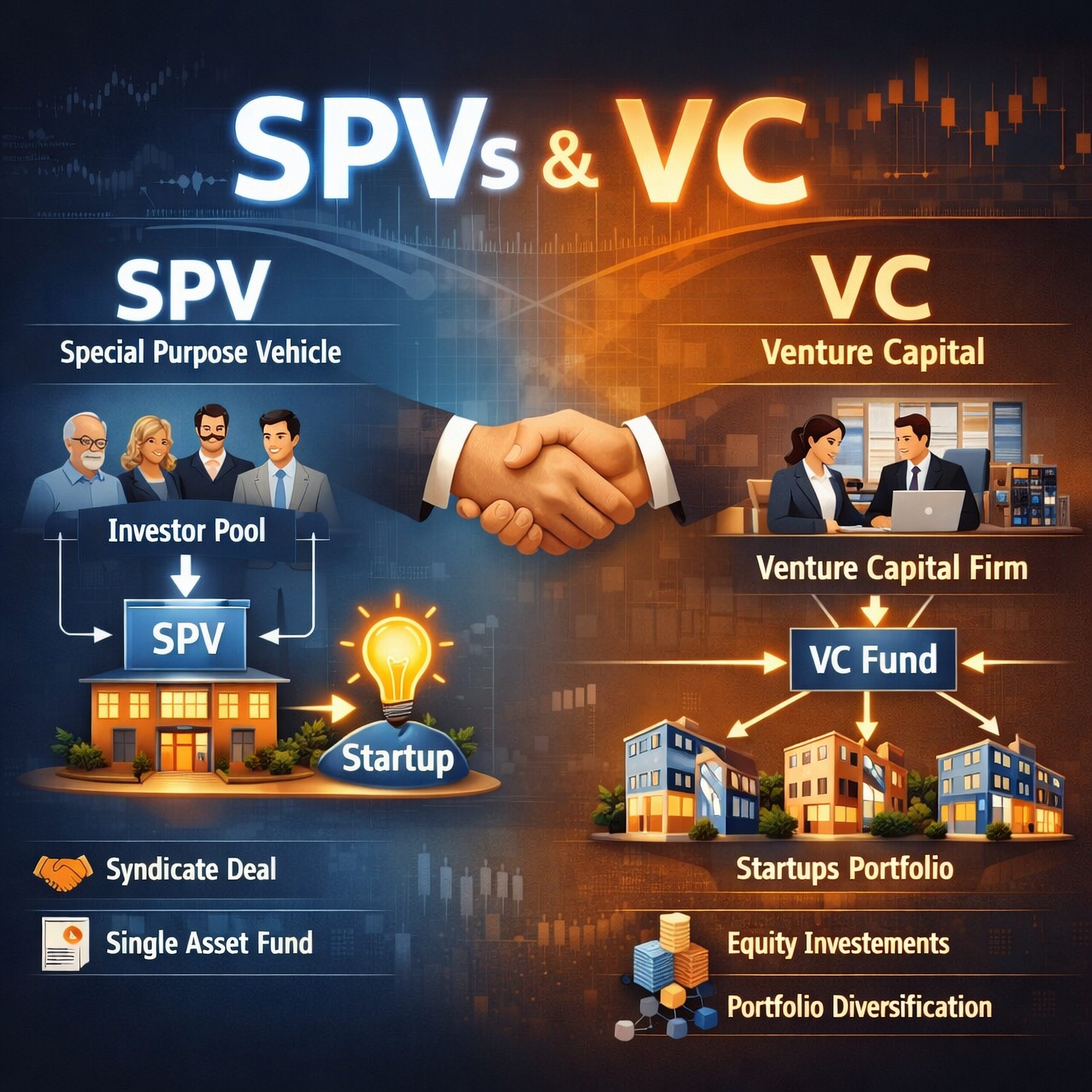

Special purpose vehicles were always the sort of tool investors used only occasionally, in special circumstances. A hot deal. A founder who didn’t want 100 angels on the cap table. A one-off opportunity that didn’t quite fit inside a fund’s mandate. SPVs were the exception.

In 2025, they stopped being that. As Forbes put it

In a typical bull market, private equity sponsors exit out of portfolio assets through IPOs, strategic sales and sponsor-to-sponsor buyouts. But the 2025 deal market has proven to be neither typical nor robust. Amid tariff uncertainty, higher-than-hoped for interest rates and volatile equity markets, traditional PE exits have slowed to a crawl in 2025.

Against

In the world of venture capital, there are certain investor rights that ensure the smooth execution of exit transactions.  The primary such mechanism is the drag-along provision, under which one group of stockholders agrees in advance to sell or vote their shares in a sale of the company approved by another group of stockholders and/or by the board.  Drag-along provisions often include a covenant by the drag-along shareholders not to sue over a drag-along sale, often including waivers of claims for breach of fiduciary duties.  But are fiduciary duties of directors too important to allow them to be waived by stockholders?  A recent Delaware Chancery Court decision puts guard rails on such waivers.Continue Reading Too Big to Waive?  Enforceability of Drag-Along Covenants Not-to-Sue