
In June 2025, New York Venture Hub published “The Forfeited Equity Trap: Why Your Non-Compete Might Be Worthless”. In that post, I blogged that the Delaware Court of Chancery’s decision in North American Fire Ultimate Holdings, LP v. Doorly served as a cautionary tale that an equity-based non-compete could become unenforceable if the equity

When SAFE is Stock: Implications of Series SAFE Preferred

Early-stage startup financings have long reflected a tension between transactional efficiency and legal precision. Instruments such as convertible notes and SAFEs were developed to reduce cost and execution time at the seed stage, but they do so by deferring, and often obscuring, important questions of corporate law, investor rights and tax treatment. A new financing
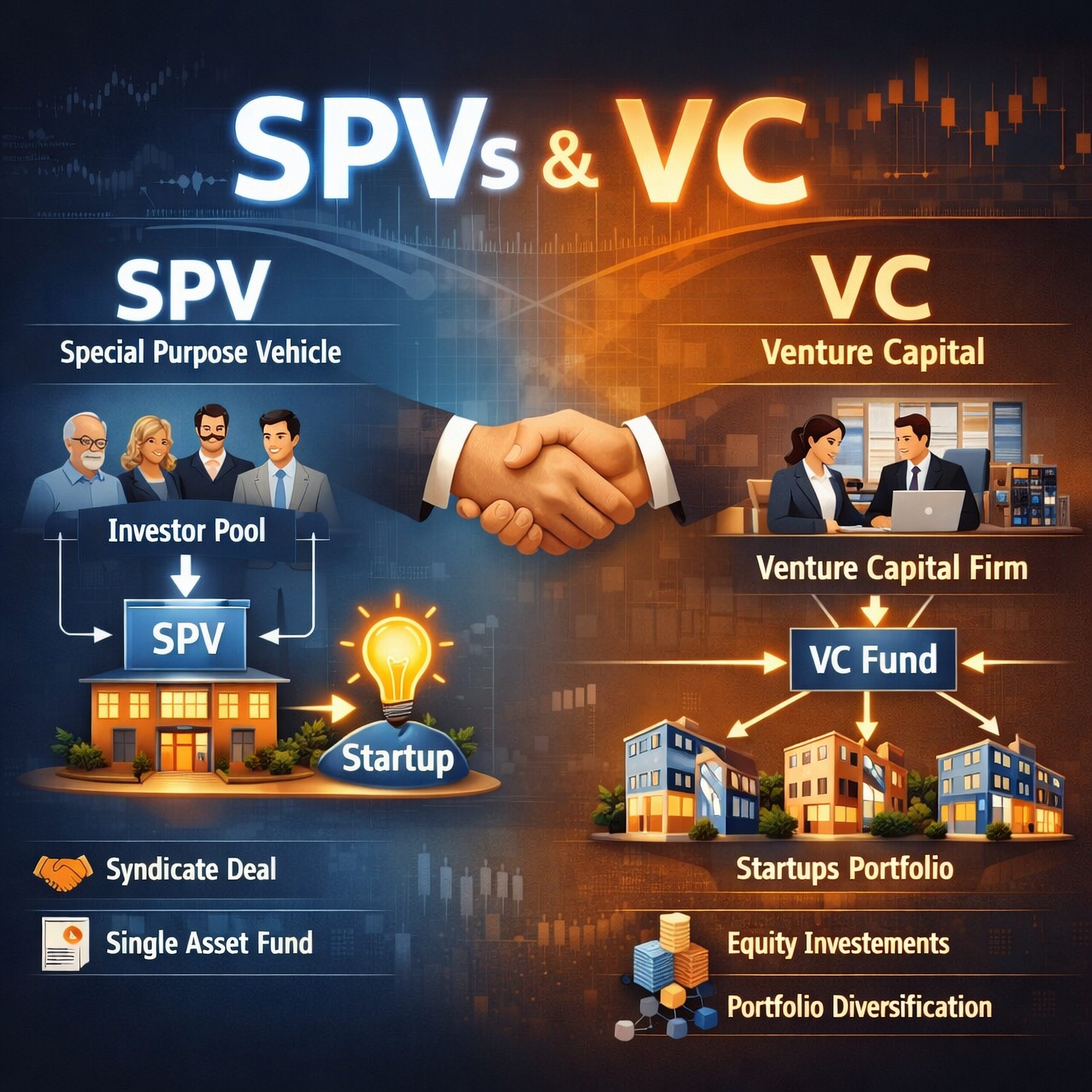
SPVs and the Reshaping of Venture Capital
Special purpose vehicles were always the sort of tool investors used only occasionally, in special circumstances. A hot deal. A founder who didn’t want 100 angels on the cap table. A one-off opportunity that didn’t quite fit inside a fund’s mandate. SPVs were the exception.
In 2025, they stopped being that. As Forbes put it
Milestone Money: NVCA Standardizes Tranched Financings

The National Venture Capital Association’s October 2025 update to its model stock purchase agreement didn’t make headlines outside the venture bar, but it quietly did something meaningful: it formally incorporated tranched financing mechanics into the model documents. That might sound like a technical tweak, but it’s actually a recognition of how common milestone-based investments have

Bait-and-Switch Board Meetings? Delaware Court Says “Not So Fast”
In a recent decision, the Court of Chancery of the State of Delaware addressed a dispute at a private Delaware corporation concerning the removal of two officers by the board under a notice of board meeting that the court found misleading. The case underscores the importance of fair notice, board process transparency and the interplay
The $100,000 H-1B Visa Fee: When Protecting Jobs Means Pricing Out Startups
In late September 2025, the Trump administration announced a dramatic hike in the fee employers must pay when filing new H-1B visa applications from a range of $2,000-$5,000 up to $100,000 per new application. The increased fee is being called a talent tariff by some startup founders and critics of the new policy generally. Tariffs

Super-Apps, Self-Custody and Safe Harbors: SEC’s New Crypto Playbook
For years, the SEC has been painted as the cop on the beat when it comes to crypto, more likely to file an enforcement action than to roll out the welcome mat. But SEC Chairman Paul Atkins’ announcement this summer of a new “Project Crypto” initiative is the latest and clearest signal that there’s a
Private Equity’s Plan B: Navigating the Exit Drought with Continuation Funds

In a typical bull market, private equity sponsors exit out of portfolio assets through IPOs, strategic sales and sponsor-to-sponsor buyouts. But the 2025 deal market has proven to be neither typical nor robust. Amid tariff uncertainty, higher-than-hoped for interest rates and volatile equity markets, traditional PE exits have slowed to a crawl in 2025.
Against
Pitch Perfect: Demo Days, General Solicitation and the HALOS Act of 2025

Your company is invited by a local meetup group to present at demo day with other startups, and you accept. The group announces the demo day lineup of startups in an e-blast, on its website, on its Facebook page and through banner ads on a tech e-zine. On demo day, the room is packed and
The Forfeited Equity Trap: Why Your Non-Compete Might Be Worthless
Imagine you’re a private equity firm. You buy a company, and you want to retain and incentivize key employees, so you give them some equity in the form of incentive units. You also want to prevent them from running off and competing against you, so you impose restrictive covenants on them with a forfeiture provision.